The construction industry is undergoing a major transformation. Once known for slow adoption of innovation, it is now rapidly embracing digital tools, automation, and data-driven processes to stay competitive. From smarter design workflows to real-time project monitoring, construction technology is redefining how projects are planned, built, and managed. But what exactly does construction technology include—and why is it becoming essential for modern construction businesses? In this article, we’ll break down its definition, explore the key benefits, and look at real-world applications and emerging trends you simply can’t afford to ignore.
What Is Construction Technology?
Construction technology refers to the tools, systems, and methods used to improve how construction projects are designed, built, and managed. In simple terms, it’s about using modern technology to make construction faster, safer, more accurate, and more cost-efficient.
It goes beyond just software or machines—it covers a broad ecosystem that includes:
- Tools (software + hardware): Design software, project management platforms, drones, sensors, and construction equipment
- Processes (automation & workflows): Automated scheduling, digital collaboration, and streamlined construction workflows
- Systems (integrated technologies): Advanced solutions like BIM, AI, and IoT that connect data across the entire project lifecycle

Read more: The Top 15 Construction Issues With Strategies To Tackle Them
Key Categories of Construction Technology
To better understand how construction technology is applied, it can be divided into three main categories:
Design Technology
These tools are used during the planning and design phase to create accurate, data-rich models.
Examples: BIM (Building Information Modeling), CAD software
Benefits: Improved design accuracy, early clash detection, better visualization
Construction Technology
This includes technologies used directly on construction sites to improve execution.
Examples: Drones, robotics, 3D printing, autonomous equipment
Benefits: Faster construction, reduced labor dependency, improved site safety
Management Technology
These platforms help teams plan, monitor, and manage construction projects more effectively.
Examples: Project management software, cloud collaboration platforms
Benefits: Real-time tracking, better communication, data-driven decision-making
Why Construction Technology Matters More Than Ever
The construction industry is under more pressure than ever to deliver projects faster, cheaper, and with higher quality—yet it continues to face persistent challenges that slow progress and reduce profitability.

Key Industry Challenges
Labor shortages – A shrinking skilled workforce and increasing demand for projects
Cost overruns – Inaccurate estimates, scope changes, and inefficient resource allocation
Project delays – Poor planning, unexpected issues, and lack of real-time visibility
Fragmented communication – Disconnected teams, tools, and data leading to misalignment
This is where construction technology becomes essential—not optional.
Modern technologies directly address these challenges by introducing greater visibility, automation, and control across the entire project lifecycle. For example:
- Digital tools improve planning accuracy, reducing costly surprises
- Cloud platforms enable real-time collaboration, eliminating information gaps
- Data analytics helps teams identify risks early and make informed decisions
- Automation reduces dependency on manual labor and increases productivity
Most importantly, construction technology is driving a fundamental shift in how projects are managed—from a reactive approach (fixing problems after they occur) to a predictive approach (anticipating and preventing issues before they happen).
Instead of reacting to delays or cost overruns, companies can now leverage data and intelligent systems to forecast risks, optimize schedules, and make proactive decisions—gaining a strong competitive edge in today’s evolving construction landscape.
Key Benefits of Construction Technology (With Real Impact)
Increased Productivity and Efficiency
Construction technology helps teams work faster and smarter by reducing manual tasks. Automation streamlines workflows, while faster design-to-build processes accelerate project timelines and improve overall efficiency.
Cost Reduction and Better Budget Control
With more accurate quantity takeoffs and fewer errors, projects become easier to manage financially. Reducing rework and material waste helps keep costs under control and improves profitability.
Improved Collaboration and Coordination
Cloud platforms and BIM tools enable teams to work from a single source of truth. Real-time data sharing improves communication, reduces conflicts, and ensures better coordination across all stakeholders.
Enhanced Safety on Construction Sites
Technologies like wearables, sensors, and AI monitoring help detect risks early. This allows teams to prevent accidents before they happen, creating a safer working environment.
Data-Driven Decision Making
Access to real-time data and predictive analytics allows teams to make smarter decisions. Instead of reacting to issues, they can anticipate risks and optimize project performance proactively.

Real-World Uses of Construction Technology
This is where construction technology truly proves its value—through real, practical applications that solve everyday challenges on construction projects.
BIM for Design and Coordination
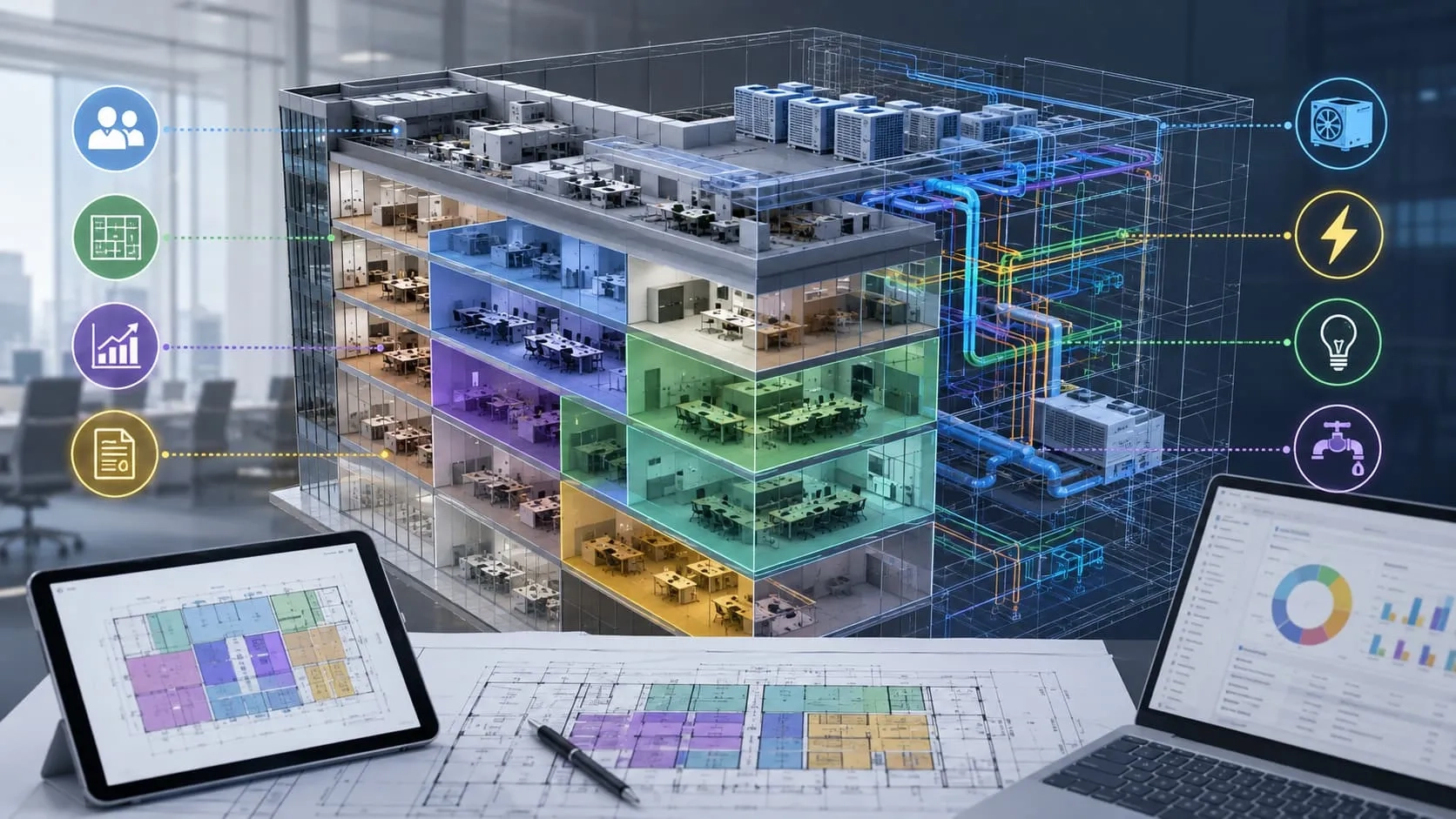
Building Information Modeling (BIM) is widely used to improve collaboration during the design phase. In a typical project, multiple disciplines—architecture, structure, and MEP—work together within a shared model. This enables multi-disciplinary coordination and allows teams to identify conflicts early through clash detection before construction begins. As a result, costly rework is significantly reduced.
AI for Risk Prediction and Project Optimization
AI is increasingly used to analyze historical and real-time data to improve project outcomes. For example, AI can predict potential delays based on past project patterns and current progress. It can also suggest optimal scheduling strategies to keep projects on track. This helps project managers make proactive decisions instead of reacting to issues.
Drones for Site Monitoring and Surveying
Drones are transforming how construction sites are monitored. Teams can use drones for weekly progress tracking, capturing up-to-date visuals of the site. They are also used for site mapping and inspections, providing accurate data without putting workers at risk. The result is a process that is faster, safer, and more accurate than traditional methods.
IoT for Smart Construction Sites
IoT devices enable real-time visibility across construction sites. Sensors can track equipment usage, helping optimize resource allocation and reduce downtime. At the same time, they can monitor worker safety, detecting hazardous conditions instantly. This creates a more connected job site with real-time control and better decision-making.
Digital Twin for Lifecycle Management
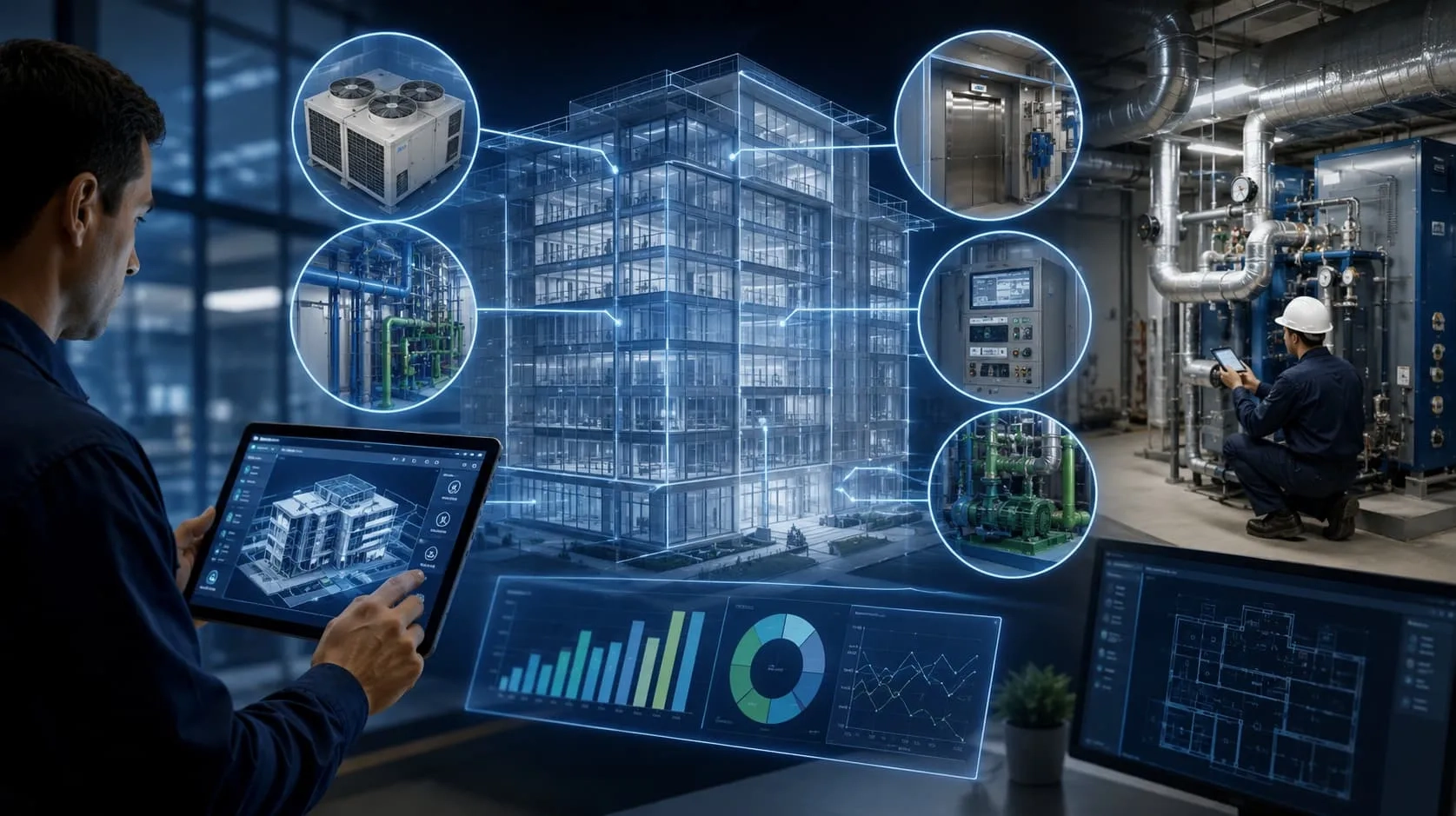
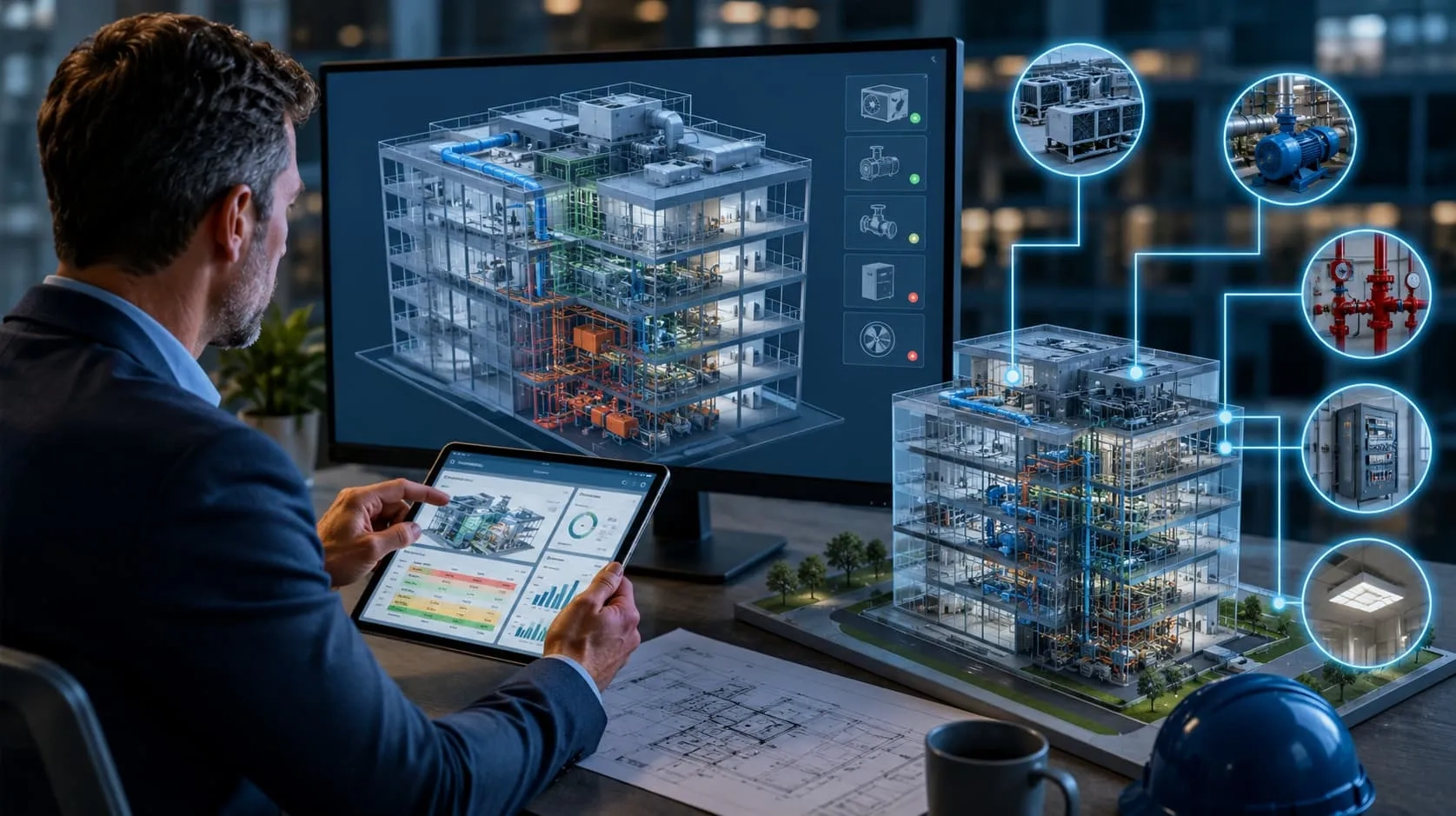
A digital twin is a virtual replica of a physical building or asset that is continuously updated with real-world data. It is used beyond construction, especially during operations and maintenance. Facility managers can monitor performance, predict issues, and optimize maintenance strategies, ensuring long-term efficiency and asset value
Read more: The Value and Use Cases of Digital Twins in Building Lifecycle Management
Emerging Trends in Construction Technology (2026 and Beyond)
As the industry continues to evolve, construction technology is moving toward smarter, more automated, and more sustainable solutions. The following trends are shaping the future of how projects are delivered.
AI and Machine Learning Integration
AI and machine learning are becoming core components of modern construction workflows. These technologies enable predictive planning, allowing teams to anticipate risks, delays, and cost issues before they occur. They also support automated decision-making, helping optimize schedules, resource allocation, and project strategies with minimal human intervention.
Modular and Offsite Construction
Modular construction is gaining momentum as a faster and more efficient building method. By manufacturing components offsite and assembling them on location, projects can achieve significantly faster build times. This approach also leads to reduced material waste and improved quality control.
Robotics and Automation
Robotics is transforming on-site construction activities. Technologies such as bricklaying robots and autonomous equipment help reduce labor dependency and improve precision. These solutions not only increase productivity but also enhance safety by handling repetitive or hazardous tasks.
Sustainable Construction Technologies
Sustainability is becoming a top priority in the construction industry. New technologies focus on green materials and energy-efficient design, helping reduce environmental impact while meeting regulatory requirements. This trend supports long-term cost savings and aligns with global sustainability goals.
Cloud-Based Collaboration and CDE
Cloud technology is enabling more connected and flexible project environments. Centralized data environments (CDE) allow all stakeholders to access a single source of truth, improving transparency and coordination. At the same time, remote project management becomes easier, allowing teams to collaborate effectively from anywhere.
Read more: How CDE Powers BIM: The Backbone of Digital Construction
Conclusion
Construction technology is no longer a future concept—it is already transforming how projects are designed, built, and managed today. From improving efficiency and reducing costs to enabling smarter decision-making and safer job sites, its impact is clear across every stage of the construction lifecycle. Companies that embrace these technologies early are not only solving today’s challenges but also positioning themselves for long-term success in an increasingly competitive and digital industry.
However, adopting construction technology effectively requires the right strategy, tools, and expertise. This is where experienced partners make a real difference.
At Harmony AT, we help construction companies unlock the full potential of construction technology through advanced BIM services, digital solutions, and customized workflows tailored to each project’s needs. Whether you're looking to improve coordination, optimize design processes, or transition from traditional methods to a fully digital approach, our team is here to support your journey.
👉 Ready to take your construction projects to the next level? Explore how Harmony AT can help you build smarter, faster, and more efficiently.
Categories