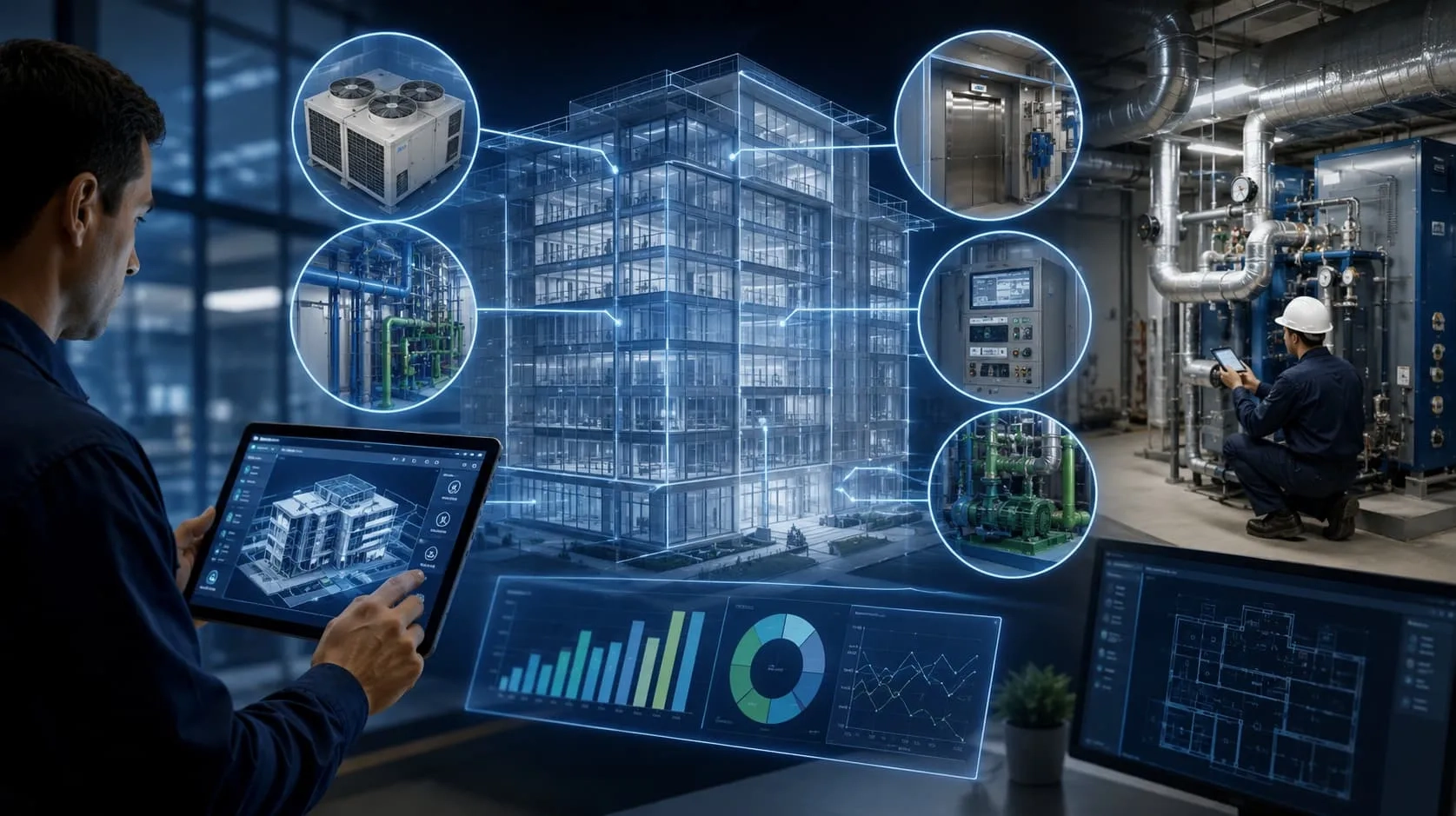
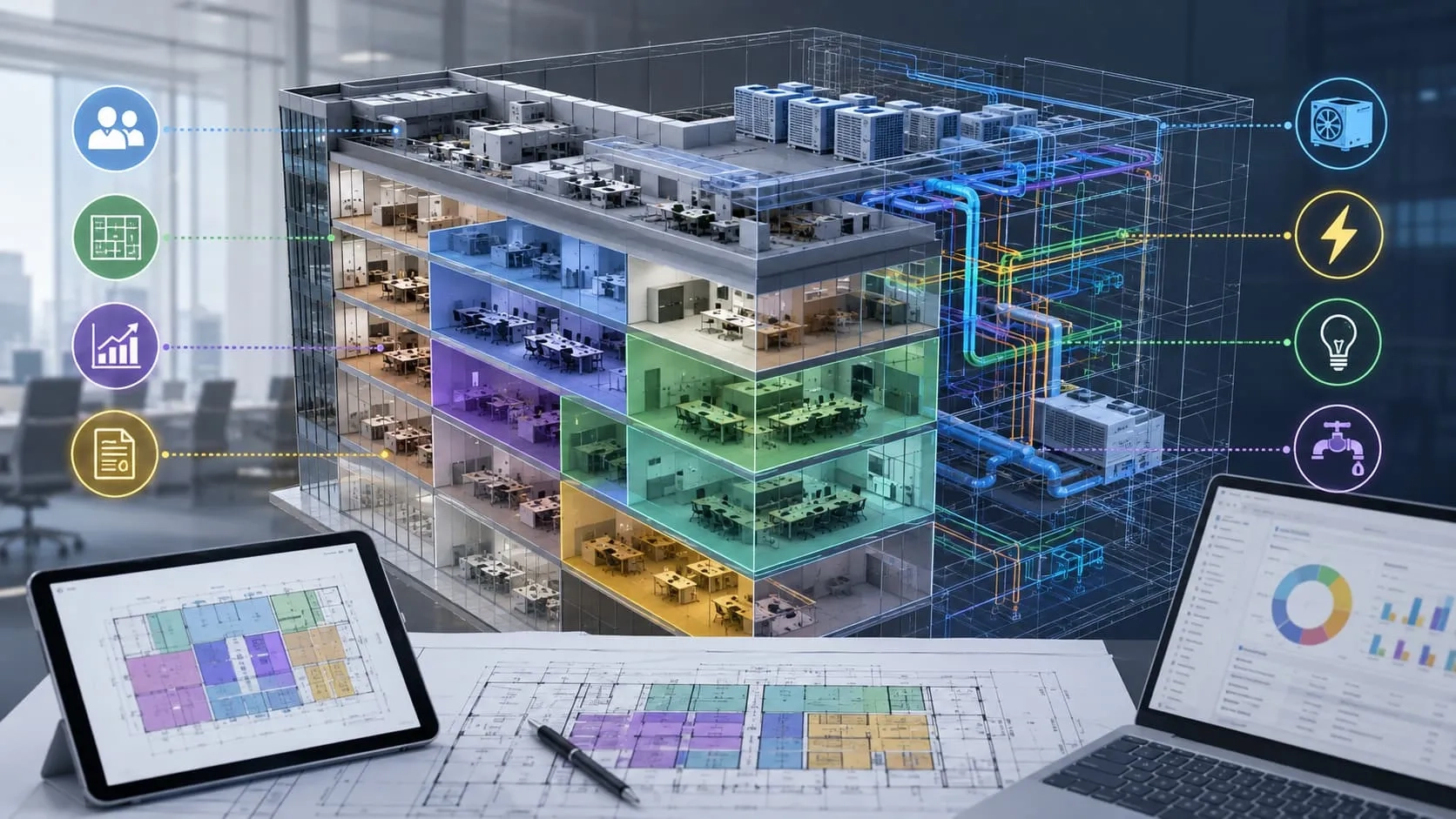
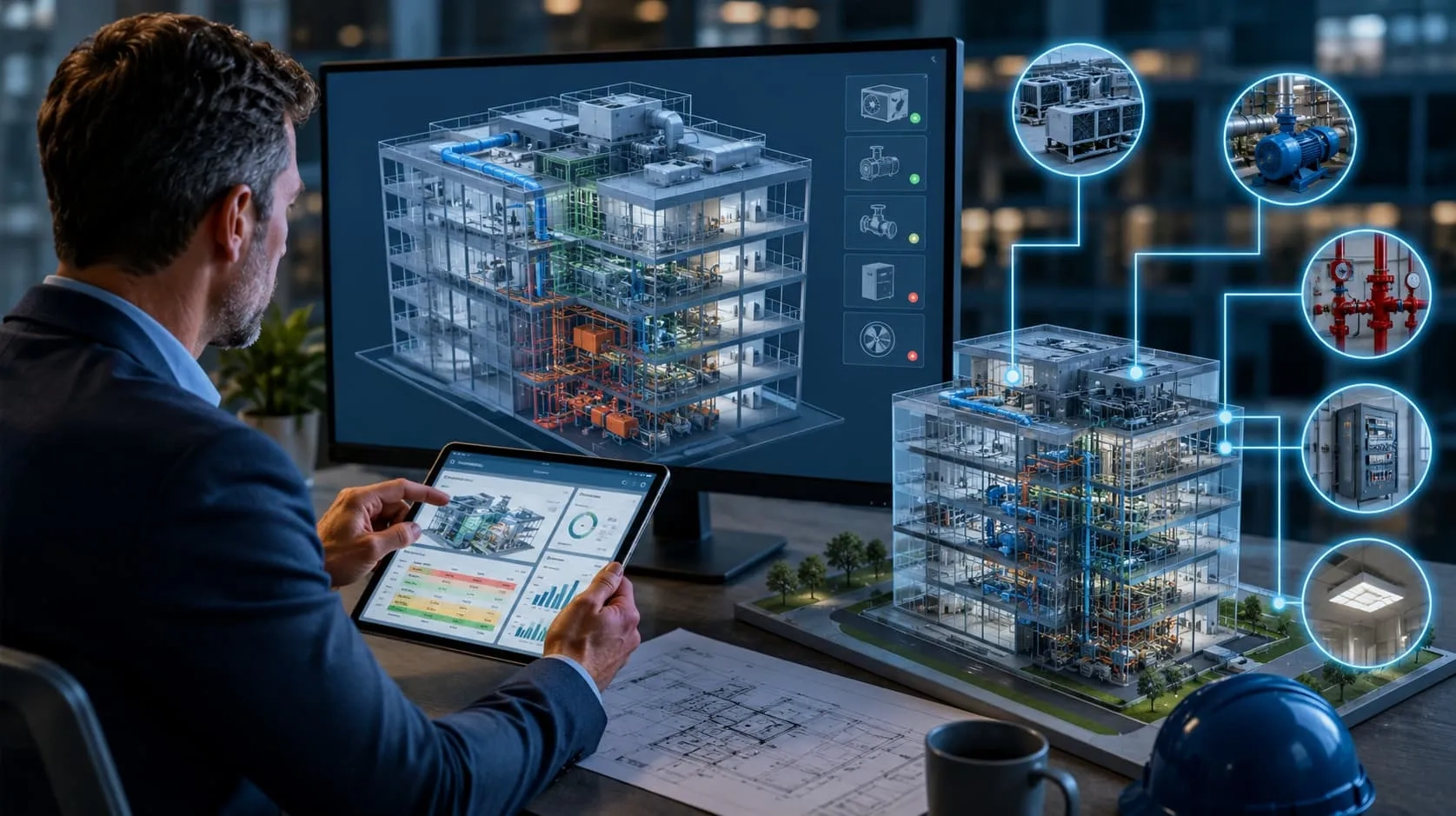
The construction industry is undergoing a major digital transformation, and one term you may hear more and more often is BIM. But what exactly is BIM, and why has it become such an important topic in today’s building projects? Especially in countries like Japan, where quality, precision, and efficiency are highly valued, BIM is attracting significant attention. In this article, we will explain in simple terms what BIM is, how it works, and why it matters in modern construction.
What does BIM stand for?
BIM stands for Building Information Modeling. It refers to a digital approach to planning, designing, constructing, and managing buildings and infrastructure using intelligent 3D models enriched with data.
However, BIM is often misunderstood as simply a 3D model. In reality, BIM can be understood in three different but connected ways:
BIM as a process: A collaborative workflow where architects, engineers, contractors, and owners work together using shared digital information throughout the project lifecycle.
BIM as a model: A data-rich 3D digital representation of a building, containing not only geometry but also information such as materials, specifications, costs, and schedules.
BIM as technology: The software tools and digital platforms that enable the creation, management, and exchange of building information.

Because of these characteristics, BIM is much more than traditional 3D CAD. While CAD mainly focuses on drawing geometry, BIM integrates both geometry and structured data. Changes made in one view automatically update across the entire model, improving accuracy and reducing errors. In short, BIM is not just about visualizing a building in 3D—it is about managing reliable information across the entire lifecycle of a construction project.
Key features of BIM that transform construction projects
BIM is not just a digital modeling tool—it is a comprehensive system that improves how construction projects are visualized, managed, and delivered. Below are the core features that make BIM a powerful approach in modern construction.
3D visualization: see and understand the design clearly
One of the most noticeable features of BIM is its ability to create detailed 3D models. Instead of interpreting multiple 2D drawings, stakeholders can easily understand the building’s structure, layout, and spatial relationships through visual models. This improves communication between designers, contractors, and clients, reducing misunderstandings and design errors.
Information management: more than just geometry
Unlike traditional CAD drawings, BIM models contain structured and linked information. Each object in the model—such as walls, windows, or mechanical systems—includes attributes like material specifications, performance data, quantities, and cost information. When changes are made, related data updates automatically across the model. This ensures consistency, accuracy, and better decision-making throughout the project lifecycle.
Collaboration: integrated workflows across teams
BIM supports a collaborative working environment where architects, engineers, contractors, and owners share information within a coordinated digital platform. Instead of working in isolated files, project teams contribute to a shared model. This integrated workflow improves transparency, reduces duplication of work, and strengthens coordination among disciplines.
Simulation and analysis: smarter planning and control
BIM enables advanced simulations and analysis beyond basic modeling. Teams can perform clash detection to identify conflicts between systems before construction begins. They can also integrate scheduling (4D) to visualize construction sequences and cost estimation (5D) to monitor budgets more accurately. These capabilities help minimize risks, control costs, and improve overall project efficiency.

Why BIM matters in construction
As construction projects become more complex, the need for accurate information, clear communication, and efficient coordination continues to grow. BIM plays a crucial role in addressing these challenges and delivering higher-quality outcomes.
Improved communication and fewer misunderstandings
BIM provides a shared visual and data-driven environment where all stakeholders can clearly understand the project. Instead of relying only on 2D drawings and written documents, teams can review a coordinated 3D model. This reduces ambiguity, improves discussions, and ensures that architects, engineers, contractors, and clients are aligned from the early stages of the project.
Fewer errors and reduced rework
One of the biggest advantages of BIM is early conflict detection. Through model coordination and clash detection, potential issues between structural, architectural, and MEP systems can be identified before construction begins. By resolving problems in the digital model rather than on site, projects experience fewer errors, less rework, and lower overall risk.
Better cost and schedule control
BIM supports more accurate quantity take-offs, cost estimation, and construction scheduling. With 4D (time) and 5D (cost) integration, project teams can visualize construction sequences and monitor budget impacts in real time. This leads to better decision-making, improved predictability, and stronger control over both timeline and expenses.
Enhanced facility operation after handover
The value of BIM does not end when construction is completed. The data-rich model becomes a valuable resource for facility management. Owners can use the model to access maintenance information, equipment specifications, and lifecycle data, making building operation more efficient and sustainable over the long term.
Alignment with global and Japanese standards
BIM adoption is increasingly aligned with international best practices and government initiatives. Many countries promote BIM as part of digital transformation strategies in construction. In Japan, public sector projects and infrastructure developments are gradually encouraging the use of digital modeling and information management approaches. As industry standards continue to evolve, BIM is becoming an essential foundation for competitiveness and compliance in the construction market.
Common BIM misconceptions
Although BIM is widely discussed in the construction industry, there are still several misunderstandings about what it truly is and how it works. Clarifying these misconceptions helps companies make more informed decisions about adoption.
BIM is only software
One of the most common misconceptions is that BIM is simply a software program. In reality, BIM is a process supported by technology. While software tools enable modeling and data management, BIM also involves workflows, standards, collaboration strategies, and information management practices. It is a comprehensive approach to delivering projects more efficiently—not just a digital tool.
BIM is only 3D visualization
Another misunderstanding is that BIM is just about creating attractive 3D models. While visualization is an important feature, BIM goes far beyond graphics. A BIM model contains structured data linked to each building element, including materials, quantities, schedules, and performance information. The real value of BIM lies in data integration and lifecycle management, not only in visual representation.
BIM is too expensive
Some companies hesitate to adopt BIM because they believe it requires high investment costs. Although there are initial expenses for software, training, and process setup, BIM often reduces long-term costs by minimizing errors, preventing rework, and improving efficiency. Over time, many organizations find that BIM delivers strong returns through better project control and risk reduction.
BIM is only for large firms
It is often assumed that BIM is suitable only for large construction companies or complex projects. However, BIM can benefit small and medium-sized firms as well. Even on smaller projects, improved coordination, accurate quantity take-offs, and better documentation can enhance productivity. With scalable tools and cloud-based solutions, BIM is becoming more accessible to organizations of all sizes.
Future of BIM (and why it’s still growing)
BIM continues to evolve beyond design and construction modeling. As digital transformation accelerates across the built environment, BIM is becoming the foundation for more advanced technologies and smarter infrastructure systems.
Integration with IoT, digital twins, AI, and cloud platforms
The future of BIM is closely connected with emerging technologies. By integrating with IoT (Internet of Things) sensors, BIM models can receive real-time data from buildings, such as energy consumption, temperature, or equipment performance. This integration enables the development of digital twins—dynamic digital replicas of physical assets that reflect real-world conditions.
Artificial intelligence (AI) further enhances BIM by supporting predictive maintenance, automated design optimization, and data-driven decision-making. Meanwhile, cloud platforms allow teams to collaborate in real time, access centralized data environments, and manage projects more efficiently across different locations. Together, these technologies expand BIM from a design tool into a continuous information management system.
Smart cities and infrastructure
As cities become more complex, BIM plays a key role in supporting smart city development and infrastructure projects. Digital models can be connected at an urban scale, enabling better planning of transportation networks, utilities, and public facilities. For governments and developers, BIM provides structured data that supports sustainable design, disaster resilience, and long-term asset management.
Ongoing standardization
The continued growth of BIM is also driven by international and national standardization efforts. Clear standards for data structure, information exchange, and modeling practices improve interoperability between different software platforms and stakeholders. As regulations and guidelines become more established, BIM adoption becomes more consistent and reliable across projects. This ongoing standardization strengthens BIM’s role as a long-term foundation for digital construction.
Read more: What Is Construction Technology? Benefits, Real-World Uses, and Emerging Trends You Can’t Ignore
Conclusion
BIM is no longer just an emerging trend—it has become a fundamental approach to delivering higher-quality, more efficient, and data-driven construction projects. From improved collaboration and cost control to lifecycle asset management and smart infrastructure integration, BIM is shaping the future of the construction industry. As digital standards continue to evolve globally and in Japan, adopting BIM is not simply an option, but a strategic step toward long-term competitiveness.
Ready to Implement BIM Globally?
If you are looking for a reliable BIM partner for international projects, Harmony AT offers comprehensive BIM services backed by strong technical expertise and global project experience. Our team has extensive hands-on experience in BIM modeling, coordination, data validation, and digital workflow development across both building and infrastructure projects.
What sets Harmony AT apart is our ability to collaborate seamlessly across different markets. Our team is proficient in English, German, and Japanese, enabling effective communication with global clients while understanding diverse technical standards, project requirements, and working cultures.
Whether you're delivering projects in Asia, Europe, or beyond, we ensure smooth coordination, high-quality outputs, and efficient BIM implementation.
👉 Contact us today to explore how our BIM services can support your projects worldwide.
Categories